
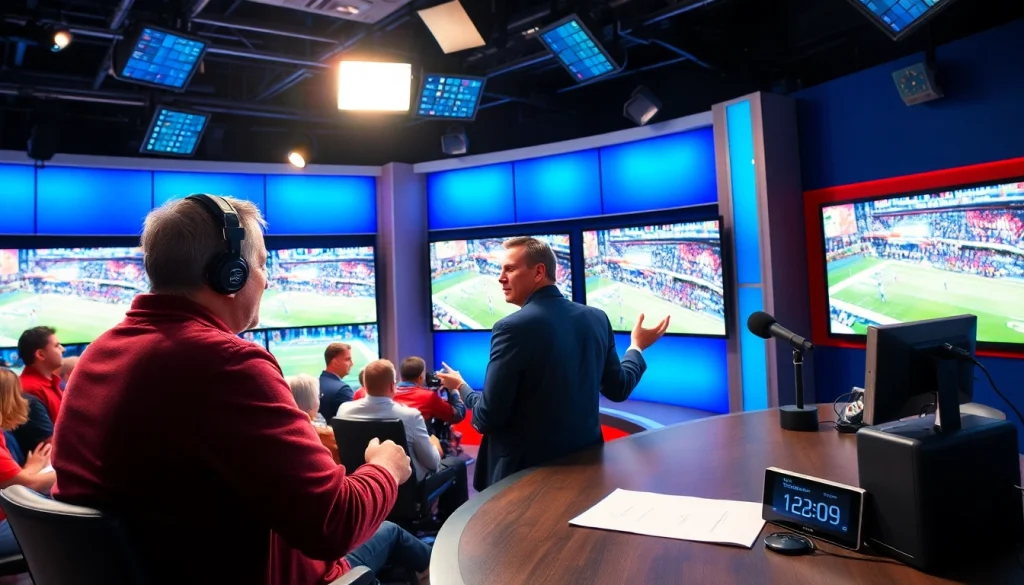

Understanding Sports Broadcasting
Sports Broadcasting has undergone a remarkable transformation over the past few decades, changing the way audiences engage with their favorite sports. The dynamism in this field is not only driven by the evolution of technology but also by shifting viewer preferences. This comprehensive guide seeks to explore the intricacies of Sports Broadcasting, including its historical progression, core components, and the key entities that shape the industry. To dive deeper, you can check out this overview of Sports Broadcasting.
The Evolution of Sports Broadcasting
The journey of sports broadcasting began in the early 20th century, with live radio broadcasts of sporting events. This innovation allowed fans to experience games in real time, cutting the geographical barriers that previously separated them from their favorite teams. As technology advanced, television broadcasts became prevalent from the 1930s onward, significantly boosting the popularity of sports.
The introduction of cable networks in the 1980s expanded the reach of sports broadcasters, allowing access to a wider audience and enabling the rise of dedicated sports channels. More recently, the advent of digital streaming platforms has revolutionized how sports content is consumed, enabling on-demand viewing options and altering fan engagement dynamics.
Core Components of Sports Broadcasting
At its core, sports broadcasting involves several key components:
- Production: This entails the planning and execution of broadcasting sports events, including camera placement, audio setup, and graphics integration.
- Commentary: Engaging experts and analysts to provide live commentary enhances the viewer’s understanding and enjoyment of the game.
- Accessibility: Making content available on various platforms—traditional cable, satellite, and online streaming—is crucial for reaching diverse audiences.
- Advertising: Commercial partners and sponsorships play a pivotal role in financing sports broadcasts, often contributing to production costs and content promotion.
Key Players in Sports Broadcasting
Understanding the sports broadcasting landscape requires recognizing its key players:
- Broadcasters: Major television networks and cable channels are primary broadcasting entities.
- Streaming Services: Platforms like Netflix and Amazon Prime Video are increasingly entering the sports arena, offering live sports alongside their original content.
- Sports Leagues: Leagues like the NFL, NBA, and FIFA are essential stakeholders, often negotiating broadcast rights and partnerships.
- Production Companies: These firms handle the technical aspects of shooting, editing, and delivering sports content to audiences.
Technology’s Role in Sports Broadcasting
Technological advancements have been pivotal in shaping modern Sports Broadcasting. From how events are filmed to how viewers engage, advancements in technology continue to redefine the landscape.
Innovative Technologies Revolutionizing Sports Broadcasting
Several innovative technologies have made significant impacts in sports broadcasting:
- High-definition and Ultra high-definition: Improved picture quality enhances viewer experiences significantly.
- 360-degree video: This provides immersive experiences, allowing viewers to engage more closely with the event.
- Virtual graphics: These elements provide real-time statistics and optimizations viewed along with the live-action footage.
The Impact of Streaming on Sports Broadcasting
Streaming technology has fundamentally transformed the sports broadcasting model. Fans no longer need a television set; they can watch on various devices, making it more convenient than ever. Services like ESPN+ and DAZN provide subscriptions that allow for flexible viewing, often at lower costs than traditional cable packages. This flexibility caters to younger audiences who favor on-demand content.
Data Analytics in Sports Broadcasting
The integration of data analytics in sports broadcasting has enabled a more in-depth analysis of player performances and game strategies. Broadcasters can now present viewers with statistics that enhance understanding, create debates, and enrich the viewing experience. From advanced player tracking systems to real-time data feeds, analytics is becoming a staple in sports commentary.
Building Viewership in Sports Broadcasting
In a competitive landscape, building and retaining viewership is paramount for sports broadcasters. Developing effective strategies to attract diverse audiences requires a nuanced understanding of viewer preferences and behaviors.
Strategies for Attracting New Audiences
To attract new audiences, broadcasters can employ several strategies:
- Targeted Marketing: Utilizing data analytics to understand demographics and preferences can help tailor marketing efforts.
- Engaging Content: Highlighting behind-the-scenes access, player interviews, and unique angles can spark interest.
- Community Engagement: Hosting events, fan meet-ups, or contests can drive participation and brand loyalty.
The Importance of Social Media in Sports Broadcasting
Social media platforms are integral to building viewership. They serve as channels to promote broadcasts, engage with fans in real time, and provide live updates during events. Utilizing platforms like Twitter, Instagram, and TikTok can help reach younger demographics and create communities around teams and players.
Measuring Audience Engagement
To gauge the effectiveness of their strategies, broadcasters need to measure audience engagement. This can involve analyzing metrics such as viewership numbers, social media interactions, and feedback surveys. Engaging directly with viewers through these metrics can help refine content approaches and foster a more engaged audience.
Challenges Faced in Sports Broadcasting
The sports broadcasting landscape is not without challenges. Navigating various issues requires both foresight and adaptability from broadcasters.
Navigating Licensing and Rights Issues
Licensing and rights agreements are complex aspects of sports broadcasting. Broadcasters must constantly negotiate contracts with sports leagues and team owners to secure broadcasting rights, which can fluctuate in value and scope based on demand and viewership trends.
Addressing Viewer Fatigue
With the influx of sports content available across platforms, viewer fatigue has become a significant challenge. Broadcasters must develop innovative content strategies that stand out and maintain viewer interest, rather than overwhelming them with repetitive programming.
Dealing with Technological Disruptions
As new technologies emerge, established broadcasters must stay agile. Keeping abreast of technological disruptions is vital to maintaining relevance. Adopting new tools for production, broadcasting, and audience engagement can either propel a broadcaster forward or leave them behind.
Future Trends in Sports Broadcasting
Looking toward the future, various trends are emerging that promise to shape the sports broadcasting industry.
The Rise of Augmented and Virtual Reality in Sports Broadcasting
Augmented Reality (AR) and Virtual Reality (VR) are on the horizon as transformative technologies in sports broadcasting. These technologies can enhance the viewing experience by providing immersive environments that allow fans to feel as though they are part of the action, regardless of their physical location.
Anticipated Changes in Viewer Behavior
As demographics shift, so too will viewer behaviors. Younger viewers tend to seek interactive and on-demand content. Understanding these changes will be crucial for broadcasters aiming to retain relevance in a rapidly evolving landscape.
Emerging Markets for Sports Broadcasting
Emerging markets in regions like Asia and Africa present significant growth opportunities for sports broadcasting. As internet access improves and more people gain access to streaming services, appealing to these new audiences can drive substantial growth.
Frequently Asked Questions
What is Sports Broadcasting?
Sports broadcasting refers to the dissemination of sporting events through various media, primarily television, radio, and online platforms, allowing viewers to engage in real-time.
How has technology changed Sports Broadcasting?
Technology has revolutionized Sports Broadcasting through high-definition visuals, streaming capabilities, and enhanced data analytics, enriching the viewer’s experience.
Why is audience engagement important in Sports Broadcasting?
Audience engagement is vital for maintaining viewership, increasing loyalty, and driving revenues through advertising and subscriptions in an increasingly competitive market.
What are the major challenges in Sports Broadcasting?
Major challenges include licensing issues, addressing viewer fatigue, and adapting to rapid technological changes that can disrupt traditional broadcasting models.
What trends are impacting the future of Sports Broadcasting?
Key trends include the rise of AR and VR, shifts in viewer behavior towards interactive content, and targeting emerging markets globally to expand viewership.

